Русский








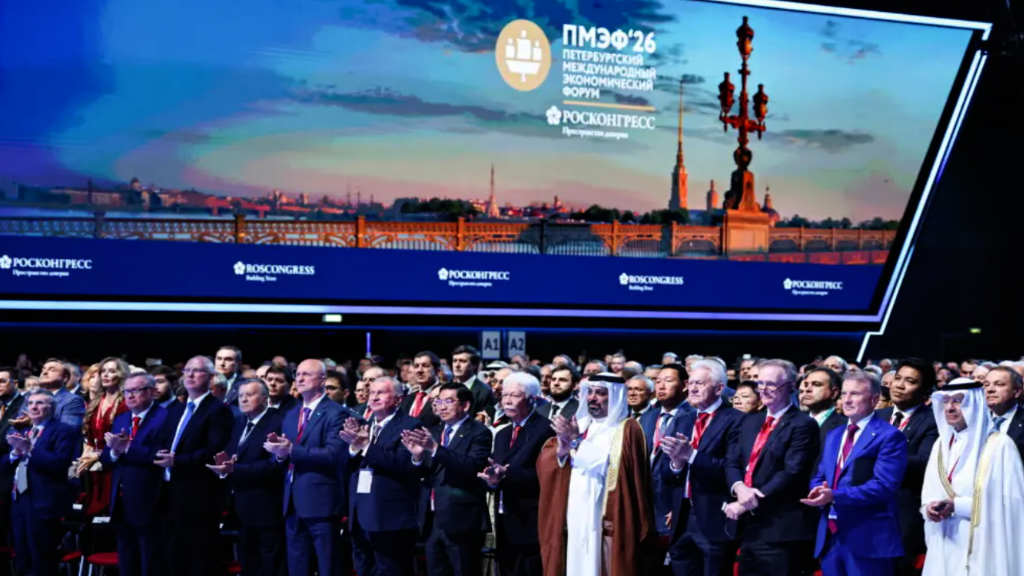

Most of the Western media coverage of the 2026 St. Petersburg International Economic Forum (SPIEF) focused on their articulated familiar themes: geopolitics, sanctions, Ukrainian drone attacks, diplomatic symbolism, and repeated predictions of Russian economic decline and troubles. Those headlines concentrated on geopolitical interpretation, Russia’s confrontation with the West, and speculation about the long-term impact of sanctions. Yet such coverage failed – deliberately so – to capture the forum’s deeper significance. SPIEF 2026 was not merely a political event. It was a large-scale demonstration of how Russia is restructuring its economic relationships and building a new network of partnerships across Asia, the Middle East, Africa, and the broader Global South. If people refuse to feel the way the wind is blowing, they will be caught by surprise – even left behind.
President Vladimir Putin’s plenary speech provided the strategic framework for this transformation. The Russian leadership emphasized technological sovereignty, industrial modernization, transport connectivity, financial independence, demographic development, artificial intelligence, logistics infrastructure, and the expansion of trade with non-Western markets. Considerable attention was devoted to the development of international transport corridors, national payment systems, industrial cooperation, energy exports, advanced manufacturing, and the growing role of BRICS and Eurasian integration mechanisms.
The speech outlined the political and economic direction of Russia’s long-term development strategy and reflected broader discussions that had already been taking place among policymakers, state corporations, regional governments, and foreign partners throughout the forum.
SPIEF’s Multilateralism
Yet an equally important story of SPIEF 2026 was not only what was said from the stage but also what was signed in meeting rooms across the forum and what was committed to by participants through a series of agreements, partnerships, and strategic understandings. These developments provided a more concrete indication of the direction of Russia’s economic diplomacy and its broader pivot toward Asia and the global south.
The most important conversations at the Forum did not take place on the main stage. While television cameras followed presidential speeches and international headlines, another process was unfolding across the exhibition halls, conference rooms and private meeting suites of Expoforum. The program included the SME Forum, the Creative Industries Forum, the Day of the Future International Youth Economic Forum, and the Ensuring Drug Security Forum. Governors negotiated with sovereign wealth funds. Industrial corporations explored manufacturing partnerships. Logistics operators discussed new trade corridors.
Technology companies searched for investors and foreign partners. Ministers from Asia, Africa, and the Middle East met Russian regional leaders seeking capital for infrastructure, housing, energy, and industrial projects. In meeting rooms, exhibition halls, and bilateral negotiations, governments, corporations, development institutions, sovereign wealth funds, banks, and regional administrations negotiated agreements that revealed the practical implementation of Russia’s economic strategy. While political speeches outlined the vision, the agreements signed throughout the forum and the business events and programs demonstrated how that vision is being translated into concrete projects, investments, and industrial partnerships.
| SPIEF 2026 At A Glance |
| 150+ sessions and 300+ business events |
| Introduction of new technologies and innovations |
| 20,000 guests from 142 countries |
| Highlighted that 142 Nations defy sanctions to do business with Russia |
| 1,084 agreements signed worth ₽6.64 trillion (US$88.6 billion) |
| Previewed the emergence of the Northern Sea Route |
| Demonstrated “an alternative voice” to Western hegemony |
| Provided a non-Western development masterclass for international business |
The scale alone makes SPIEF one of the most consequential investment and business gatherings in Eurasia. Although the full details of many agreements remain undisclosed due to commercial sensitivities and the geopolitical environment shaped by Western sanctions, an examination of publicly available deals, business engagements, investment announcements, corporate partnerships, and forum discussions offers a clear indication of the sectors being prioritized and the broader direction of Russia’s trade, investment, and economic diplomacy.
Collectively, these developments reveal where Russian business and commercial engagement are increasingly being redirected. More importantly, the structure of these agreements provides an indication of Russia’s economic reorientation.
The concentration of capital into a series of strategic sectors that collectively reveal the priorities of Russia’s long-term development model. Housing construction, urban development, energy infrastructure, industrial modernization, logistics, digital technologies, and regional development dominated the investment agenda, illustrating that the forum functioned not merely as an international diplomatic gathering but as a national investment marketplace connecting Russian regions, state corporations, financial institutions, and foreign partners.
SPIEF 2026 demonstrated that Russia’s post-2022 economic adaptation has entered a new phase. The first phase was survival and trade rerouting. The second phase was import substitution. The third phase, visible at SPIEF, is the construction of long-term industrial, financial, technological, and infrastructure partnerships with non-Western economies. The agreements signed reveal where capital is flowing, which regions are becoming investment magnets, which industries are attracting strategic attention and which countries are emerging as Russia’s most important partners. Russia has more than 60 joint projects with the UAE, more than 55 with Saudi Arabia, more than 60 with China and is pleased to continue these active investments with many other countries.
These figures only partially capture the scale of activity that took place during SPIEF 2026. Beneath the aggregate numbers lay hundreds of negotiations involving foreign governments, sovereign funds, state corporations, development institutions, regional administrations, industrial groups, banks, technology firms, and infrastructure developers. Many of these will no doubt be manifested in the coming months.
Russian Big Ticket Finance
Among the largest financial arrangements announced at the forum was the agreement between DOM.RF and Sberbank involving the securitization of Sberbank’s mortgage portfolio through the DOM.RF platform. Valued at up to ₽3 trillion (US$41.6 billion) by 2030, the agreement represented one of the largest financial transactions associated with SPIEF and highlighted the growing role of housing finance as a strategic instrument of economic development. The transaction reflects the increasing integration of Russia’s banking sector, development institutions and construction industry in support of large-scale urban expansion. Housing construction emerged repeatedly throughout the forum as one of the principal engines of domestic growth, supported by state-backed financing mechanisms and regional development programs.
The importance of urban development was further demonstrated by several of the forum’s largest regional projects. In Tatarstan, the republic’s government, TOCHNO Group, and DOM. RF Bank agreed to cooperate on the construction of the Kaderle district in Kazan, a project valued at approximately ₽250 billion (US$3.5 billion) and designed for around 27,500 residents.
In Saint Petersburg, Sberbank and the Yuzhny Satellite City project signed a strategic cooperation agreement worth approximately ₽192 billion (US$2.7 billion). Together these projects illustrate a broader trend visible throughout SPIEF: Russian cities are increasingly using large-scale integrated urban developments to attract investment, stimulate construction, create jobs, and support population growth.
The housing sector was also reinforced by a major cooperation agreement between Alfa-Bank and DOM. RF involving syndicated lending and joint financing for residential construction and infrastructure projects worth up to ₽200 billion (US$2.8 billion). Such arrangements demonstrate how Russia’s largest financial institutions are increasingly functioning not merely as commercial lenders but as development partners supporting long-term infrastructure and housing strategies.
Energy infrastructure represented another major pillar of investment activity. One of the largest financing packages announced during SPIEF involved RusHydro and VTB Bank, which signed a memorandum of intent for a syndicated loan facility of up to ₽260.5 billion (US$3.6 billion) with a maturity of up to twelve years. The financing will support power generation facilities, transmission infrastructure, and grid modernization projects across Russia’s Far Eastern regions. The significance of this agreement extends well beyond the energy sector. The Far East occupies a central position in Russia’s Asian strategy, and the expansion of electricity generation capacity is increasingly viewed as essential for industrial development, logistics infrastructure, mining projects, data centers, and artificial intelligence applications.
Tourism and hospitality also emerged as major investment sectors. One of the largest tourism-related announcements involved SkyGroup Development, Sberbank, and the Council of Ministers of Crimea. Their agreements, valued at more than ₽143 billion (US$1.98 billion), provide for the construction of hotel complexes, health resorts, recreational facilities, and tourism infrastructure across Crimea’s coastline. Collectively, the projects are expected to create more than 15,000 accommodation units, further strengthening Crimea’s position within Russia’s domestic tourism market.
The corporate landscape at SPIEF demonstrated that Russia’s economic transformation is increasingly being driven by a relatively small number of large institutions with extensive influence across multiple sectors. Sberbank emerged not merely as Russia’s largest bank but as a central participant in discussions concerning artificial intelligence, digital ecosystems, housing finance, infrastructure development, and regional investment. VTB similarly expanded its role as a development financier through agreements with numerous Russian regions, including Yaroslavl, Rostov, Orenburg, Bryansk, Komi, Khakassia, Adygea, North Ossetia-Alania, Kamchatka, and Krasnodar Krai.
DOM.RF established itself as one of the forum’s most influential development institutions through participation in housing, urban development, mortgage finance, and infrastructure projects across multiple regions. RusHydro played a leading role in discussions concerning energy infrastructure and Far Eastern development. Gazprom, Gazprom Neft, and NOVATEK remained central to conversations concerning hydrocarbons, LNG exports, petrochemicals, and industrial processing. Rosatom participated in discussions spanning nuclear technologies, advanced materials, engineering services, infrastructure development, and international industrial cooperation. R-Pharm continued expanding its position within pharmaceutical manufacturing and healthcare industrialization, while Positive Technologies represented the growing importance of cybersecurity and digital sovereignty.
The Roscongress International Cooperation Area played a key role in facilitating international dialogue and business networking, hosting 18 thematic events, over 100 bilateral business meetings, and signing more than 30 cooperation agreements across sectors such as investment, industry, human capital, regional development, and international trade. The platform brought together partners from Russia, Asia, Africa, the Middle East, Europe, and the Americas, including organizations such as the Russia–ASEAN Business Council, the Russian-Thai Business Council, and representatives from Tanzania’s investment and trade institutions. It also served as a hub for regional promotion, showcasing Russia’s regions and their investment potential, while supporting cooperation with countries such as Saudi Arabia, Uzbekistan, Kyrgyzstan, and others.
The Russian Direct Investment Fund (RDIF) signed seven agreements with countries of the Global South at the SPIEF in the fields of IT, agriculture, and other industries.
The Chinese Delegation
The forum hosted over 1,000 delegates from China, making it one of the largest foreign delegations at the event. This was led by Vice President Han Zheng. China remained the single most important foreign economic partner represented at the forum. Chinese participation extended far beyond energy trade and included discussions concerning manufacturing, machine-building, electronics, automotive production, logistics infrastructure, industrial equipment, advanced materials and petrochemicals. The flagship project remained the Amur Gas Chemical Complex being developed by SIBUR and Sinopec. Expected to produce approximately 2.7 million tonnes of polymers annually, the facility is among the largest petrochemical projects currently under development in Eurasia and serves as a symbol of the transition from raw-material exports toward integrated industrial production.
Chinese participation involved not only major corporations but also provincial governments, logistics operators, manufacturing groups, and business associations. Discussions addressed Arctic shipping routes, rail connectivity, industrial localization, machinery production, automotive supply chains, and technological cooperation. The breadth of Chinese engagement demonstrated how Russia-China economic relations increasingly encompass entire industrial ecosystems rather than simple commodity exchanges. While only a portion of the agreements signed at the forum has been publicly disclosed, the actual scale of deal-making was considerably larger. Due to widespread non-disclosure agreements, neither the exact number of contracts nor their total financial value amongst Chinese participants is fully known.
Nevertheless, it is evident that a vast number of agreements and partnership arrangements were signed, many of which are expected to be implemented gradually in the years ahead. The forum also showcased the scale of the Eurasian awakening, particularly in the form of expanding Chinese-Russian cooperation. According to available data, 1,400 Chinese companies were established in Russia during the first quarter of this year alone.
On the other hand, Russia and Mongolia emphasized expanding direct business contacts and advancing joint projects in transport, logistics, energy, and infrastructure as Russia and Mongolia mark the 105th anniversary of diplomatic relations.
The Indian Delegation
India’s presence reflected a similar shift toward deeper industrial integration. Representatives from the Federation of Indian Chambers of Commerce and Industry, fertilizer companies, mining firms, pharmaceutical enterprises, and industrial manufacturers focused on resource processing, critical minerals, fertilizers, and manufacturing partnerships. Putin expressed confidence that bilateral trade between Russia and India could reach US$100 billion in the coming year and energy is seen as one of the main drivers. He highlighted Kudankulam nuclear cooperation and India’s strategic autonomy despite western pressures not to engage with Russia.
But in order to meet its own development goals, India needs to engage – Russia has the resources it needs to continue its development progress. The political and humanitarian need to ensure that Indians make the leap into first-world conditions trumps Europe’s desires to influence Ukraine. Interestingly, about 33.5 million Indians still live in abject poverty—about the same number as the population of Ukraine. New Delhi is not prepared to sacrifice its own people’s welfare and development for a war not of its own making.
The concept of “Making in Russia for India“ emerged repeatedly throughout the forum and reflected a growing interest in locating industrial production inside Russia for eventual export to Indian markets. Proposed projects involving urea production, critical minerals, and resource processing illustrate the expanding scope of Russian-Indian cooperation. India’s envoy to Moscow, Vinay Kumar, has proposed a ‘Making in Russia for India’ model. This initiative aims to boost industrial ties across sectors like fertilizers and critical minerals. Joint ventures in Russia will create a captive export market for India. The presence of approximately 100,000 Indian workers in Russia further highlights the increasingly multidimensional nature of the bilateral relationship.
India’s Andhra Pradesh Minister for IT, Electronics, and Human Resources Nara Lokesh’s trip centered around high-level engagements at the SPIEF to attract global investments and technological partnerships. The visit also included engagements with major Russian companies and institutions across sectors including energy, logistics, transportation, rail manufacturing, critical minerals, semiconductors, and digital infrastructure. Lokesh strengthened economic ties between Andhra Pradesh and Russia through a series of high-level engagements focused on investment, technology, manufacturing, and innovation.
Building on the foundation of RUSAL’s existing alumina smelter investments in the state, Lokesh held discussions on developing a fully integrated aluminium value chain, including downstream manufacturing, automotive and aerospace alloys, aluminium foil production, and a long-term integrated aluminium complex. He also met with Giredmet to propose a rare earth element (REE) refining hub in North Andhra and a neodymium magnet plant in Nellore to support global electric vehicle supply chains.
Highlighting Andhra Pradesh’s ambition to become a globally competitive manufacturing and technology hub, Lokesh explored partnerships in artificial intelligence, quantum computing, semiconductors, digital infrastructure, logistics, and smart city development. Meetings with Sberbank leadership at School 21 and SberCity focused on digital transformation, future skills, and innovation ecosystems, while discussions with Moscow’s Transport Minister and Vice Mayor Maksim Liksutov examined AI-powered mobility solutions, advanced traffic management systems, and smart urban governance.
The Andhra Pradesh delegation also engaged with the governments of St. Petersburg and the Republic of Tatarstan on cooperation in industry, trade, safe and smart city initiatives, and workforce development. Lokesh stated that the visit opened new avenues for collaboration in industry, technology, mobility, artificial intelligence, and advanced manufacturing, emphasizing that partnerships with Russian businesses and institutions can drive innovation, investment, employment, and sustainable economic growth for both regions.
The Saudi Arabian Delegation

Saudi Arabia’s participation represented one of the most significant international developments of SPIEF 2026. As the forum’s official guest country, the kingdom dispatched more than 180 officials, investors, bankers, and corporate executives. Approximately thirty agreements and memoranda of understanding were concluded during the event. According to Saudi officials, among the most significant were 30 agreements worth approximately SAR 4.8 billion (US$1.28 billion) covering energy and investment to education, tourism, humanitarian cooperation, agriculture, food processing, veterinary vaccines, fisheries, poultry production, beverages, and environmental cooperation.
These include the manufacturing and localization of veterinary vaccine production to enhance animal health and biosecurity; the development and propagation of broiler breeds to ensure self-sufficiency and the sustainability of local production; securing feed inputs and supply chains to guarantee the stability and growth of the livestock sector; and exporting Saudi fish products through strategic agreements for shrimp and fish exports via Russian companies specializing in import and global distribution. The forum also witnessed the signing of agreements for marketing and exporting camel milk and its derivatives to Russian and international markets, an agreement for the promotion and export of Saudi coffee products, and a cooperation and exchange agreement in the field of soft drinks.
The Minister of Industry and Mineral Resources, Bandar Al-Khorayef concluded Saudi Arabia’s participation by strengthening industrial and mining cooperation with Russia, including a strategic agreement with Moscow focused on innovation and entrepreneurship. He held meetings with senior Russian officials such as Maxim Reshetnikov and Kirill Dmitriev and witnessed the signing of a cooperation agreement between MODON and Moscow’s entrepreneurship and innovation authorities to enhance industrial ecosystems, technology transfer, and investment opportunities aligned with Saudi Vision 2030.
A few months earlier, during high-level talks in Riyadh, Russian and Saudi representatives reached nearly 90 separate agreements involving government agencies, corporations, and business associations. These figures illustrate the growing depth of bilateral engagement and the increasingly dense network of economic ties connecting the two countries. Saudi institutions, including the Ministry of Industry and Mineral Resources, the Saudi Industrial Development Fund, the Saudi Export-Import Bank, and major private-sector companies, used SPIEF to promote industrial cooperation, manufacturing partnerships, and investment opportunities. Saudi Aramco participated in discussions involving petrochemicals and downstream industries, while financial institutions explored opportunities connected to logistics, infrastructure, and industrial development.
Saudi Arabia has emerged as the largest economy in the Arab world, with a GDP exceeding US$1 trillion and a sovereign wealth fund managing more than US$900 billion in assets, while pursuing its ambitious Vision 2030 strategy to diversify beyond oil. Russia and Saudi Arabia have strengthened economic cooperation, with bilateral trade approaching US$4 billion, supported by growing Russian exports of grain, fertilizers, metals, and agricultural products. Energy remains the cornerstone of their partnership, as both countries play a leading role in stabilizing global oil markets through the OPEC+ framework, producing 9.129 million and 9.472 million barrels of oil per day, respectively, in 2025. Beyond energy, collaboration is expanding into technology, nuclear energy, agriculture, tourism, and cultural exchanges, further reinforced by the visa-free travel agreement that entered into force on May 11, 2026, allowing citizens of both countries to stay visa-free for up to 90 days annually.
Middle Eastern Delegates
Beyond Saudi Arabia, the broader Gulf region demonstrated growing interest in Russia’s economy. The United Arab Emirates, represented by a delegation exceeding 120 participants, focused heavily on logistics, trade corridors, artificial intelligence, digital technologies, infrastructure finance, and transportation networks. Emirati representatives participated in numerous discussions involving transport connectivity, the North-South Transport Corridor, and emerging trade routes linking Russia with Asia, Africa, and the Middle East. Qatar, Bahrain and Oman similarly participated in discussions concerning energy, finance, logistics, and investment. The emergence of Islamic finance mechanisms, including Russia’s first market Sukuk issuance worth approximately ₽3.5 billion (US$48.6 million), reflects Moscow’s efforts to attract long-term Gulf capital and diversify financing sources.
Central Asian Delegates
Central Asia remained one of the cornerstones of Russia’s broader Eurasian integration strategy. Uzbekistan dispatched one of the largest foreign delegations to SPIEF, consisting of more than 150 participants, including senior government officials and business leaders. Discussions focused on industrial cooperation, transportation infrastructure, logistics, energy projects, manufacturing, and Eurasian Economic Union connectivity. Kazakhstan, represented by more than 90 participants, continued to strengthen its position as one of Russia’s most important regional economic partners. Cooperation centered on cross-border trade, transport corridors, industrial production, infrastructure development, and Eurasian integration. Delegations from Kyrgyzstan, Tajikistan, Armenia, and Belarus further highlighted the continuing importance of the Eurasian Economic Union and post-Soviet economic integration mechanisms.
Uzbek president Shavkat Mirziyoyev announced that Uzbekistan-Russia trade has reached US$13 billion, up from US$4 billion a decade ago, while the countries’ joint project portfolio now exceeds US$50 billion, spanning energy, chemicals, agriculture, logistics, engineering, and textiles across multiple Russian regions, including Tatarstan, Bashkortostan, Krasnoyarsk, and the Moscow and Leningrad regions.
He highlighted major strategic initiatives such as the launch of Uzbekistan’s first nuclear power plant with Russian participation, expansion of electricity generation to 87 billion kWh with a target of 120 billion kWh by 2030, and plans for 54% renewable energy capacity, alongside cooperation in peaceful nuclear applications, digital platforms, AI, and industrial automation. Mirziyoyev also proposed creating a “Eurasian Belt of Technological Industrialization,” a unified digital industrial cooperation platform, and a joint human capital development system linking education, IT training, and employment. Economically, Uzbekistan’s GDP has grown from US$50 billion to US$147 billion, with a long-term goal of surpassing US$240 billion by 2030, supported by reforms, foreign investment inflows exceeding US$150 billion, and rising exports through digital platforms and industrial expansion.
Azerbaijan’s First Deputy Minister of Economy, Elnur Aliyev held a series of high-level meetings aimed at strengthening Azerbaijan’s trade, logistics, and investment cooperation with Russian regions and international partners. He met with the leadership of Dagestan, including Acting Head Fyodor Shchukin and Government Chairman Magomed Ramazanov, focusing on expanding regional logistics and revitalizing their joint intergovernmental commission. At the federal level, discussions with Vladimir Ilichev centered on joint investment projects and increasing Azerbaijani exports to Russia. Aliyev also met with Sezai Uçarmak to explore cooperation in e-commerce, transport connectivity, and strategic transit routes, as well as with Igor Babushkin to strengthen Caspian transport-logistics corridors. Additional discussions with Artur Parfenchikov and Sergey Ponomarenko focused on industrial cooperation, regional investment opportunities, and closer integration between business communities across these regions.
Southeast Asia Delegations
Southeast Asia emerged as an increasingly important focus of Russian economic diplomacy. Myanmar participated at the highest political level through First Vice-President U Nyo Saw, who held discussions concerning infrastructure, energy, investment cooperation, and trade development. While specific investment figures were not publicly disclosed, Myanmar’s participation reflected Russia’s broader efforts to deepen engagement with Southeast Asia.
Vietnam, Thailand, Indonesia, and Malaysia also used SPIEF as a platform to explore investment opportunities, industrial cooperation, logistics connectivity, and trade expansion. The Russian Direct Investment Fund, business councils, and regional authorities held multiple discussions with Southeast Asian counterparts concerning future investment forums, industrial cooperation, and market access. Russia aims to abolish visa requirements for Indonesian, Malaysian, and Kuwaiti nationals in 2026 to boost people-to-people ties and facilitate more business connections.
Vietnamese Deputy PM Phạm Gia Túc held talks with Alexander Novak and Alexander Beglov to deepen Vietnam-Russia cooperation in energy, trade, investment, education, tourism, science, and regional partnerships. Discussions focused on implementing the Ninh Thuan 1 Nuclear Power Plant, expanding collaboration in gas-fired power and wind energy, increasing direct air links, supporting the Vietnamese community in Saint Petersburg, and strengthening educational and cultural exchanges.
Both sides agreed to promote new joint energy projects, expand business and investment opportunities, enhance cooperation between Saint Petersburg and its five Vietnamese sister localities, train Vietnamese students and skilled workers at leading Russian institutions and fostered people-to-people ties, while the Vietnamese delegation also paid tribute at the Ho Chi Minh Monument during the visit. The EAEU-ASEAN Business Dialogue was held to discuss ways of enhancing engagement between the official and business communities of the two regional groupings, as well as the development of cooperative value chains. Collectively, these engagements demonstrated Russia’s efforts to diversify economic relationships across one of the world’s most dynamic economic regions.
Africa’s Delegations

African participation represented one of the most notable developments at SPIEF 2026. Tanzania sent one of the largest African delegations, numbering approximately 170 participants and led by President Samia Suluhu Hassan. Organizations including the Tanzania Investment and Special Economic Zones Authority, Tanzania Tourism Board, TanTrade, and Air Tanzania participated in discussions focused on tourism, logistics, manufacturing, industrial parks, and investment promotion. Russia and Tanzania have reached numerous agreements in the areas of education, mineral extraction, and infrastructure development.
Tanzania’s decision to pursue US$2 billion investment deals through the SPIEF is the most visible recent expression of this logic. Tanzania is seeking Russian investments over the next three to five years, pivoting toward Moscow to boost strategic infrastructure, agriculture, and mining. A major cooperation agreement was signed between Roscongress and the Tanzania Investment and Special Economic Zones Authority aimed at strengthening investment cooperation and facilitating future business projects.
Zimbabwe also emerged as an active participant through a five-year cooperation agreement between ZimTrade and Roscongress designed to promote trade, investment, and business connectivity. Zimbabwe reported approximately 80 percent growth in exports to Russia, highlighting the gradual expansion of economic relations. Additional delegations from Egypt, Mauritania, Cameroon, Côte d’Ivoire, Rwanda, Seychelles, and Guinea focused on agriculture, mining, logistics, tourism, and infrastructure development, reinforcing Russia’s growing interest in Africa as a future investment and growth frontier.
Latin American Delegations
The Venezuelan Planning Minister Ricardo Menéndez and Dmitry Chernyshenko held high-level talks to strengthen Russia-Venezuela cooperation, reviewing a 65-measure roadmap across 20 sectors aimed at expanding bilateral trade and industrial integration through 2030. The two sides reported that trade reached US$217 million in 2025, with Venezuelan exports to Russia tripling, particularly in cocoa, coffee, and seafood, while setting a target to reach US$400 million in trade by the end of the decade.
Cooperation also includes industrial projects such as cocoa processing plants in Sucre, pharmaceutical localization including insulin production, KamAZ vehicle assembly in Venezuela, GLONASS satellite infrastructure, joint health research, scholarships for 200 Venezuelan students, and expanded cultural, tourism, and aviation links.
Russian Delegations
Perhaps the most revealing aspect of SPIEF 2026, however, was the increasingly active role played by Russia’s regions. Russia’s regions emerged as major drivers of investment and economic development, collectively securing hundreds of billions of rubles in new projects across industry, infrastructure, housing, energy, tourism, and technology. Saint Petersburg led all regional participants with 74 agreements, including 41 investment agreements, worth more than ₽731.7 billion (US$10.1 billion).
The Yaroslavl Region signed 21 agreements valued at approximately ₽176 billion (US$2.45 billion) and highlighted its strong investment performance, having attracted nearly ₽600 billion in investments since 2022 and currently overseeing 93 active projects worth more than ₽482 billion. Key projects involve companies such as R-Pharm, UEC-Gas Turbines, Russian Europe Group, and Zhelezno Yaroslavl across pharmaceuticals, manufacturing, housing, and industrial infrastructure.
The Republic of Tatarstan reinforced its reputation as one of Russia’s most dynamic investment destinations through one of the forum’s largest regional announcements, the development of the Kaderle district in Kazan by TOCHNO Group and DOM.RF. Valued at approximately ₽250 billion (US$3.47 billion), the project will provide housing and urban infrastructure for around 27,500 residents, highlighting the growing role of urban development in regional growth.
Crimea secured investment commitments exceeding ₽143 billion (US$1.98 billion) primarily focused on tourism, resort construction, hospitality infrastructure, and real estate development, with projects expected to create more than 15,000 new accommodation units and strengthen Crimea’s position as a major tourism destination.
The Moscow Region concluded 42 agreements valued at approximately ₽95 billion (US$1.3 billion), while the Russian Far East remained a cornerstone of Moscow’s Asian development strategy, including the aforementioned RusHydro and VTB deal for ₽260.5 billion (US$3.6 billion) for power generation facilities, electricity grid modernization, and infrastructure development to support industrial expansion and deeper integration with Asian markets.
Other active regional participants included Bashkortostan, Dagestan, Krasnodar Krai, Krasnoyarsk Krai, Leningrad Region, Donetsk, and Lugansk, as well as numerous territories across Siberia, the Arctic, and the Far East. These regions actively pursued investments in manufacturing, logistics, tourism, housing, agriculture, energy, transportation, and industrial infrastructure. Collectively, their performance at SPIEF 2026 demonstrated how Russia’s regional governments are increasingly operating as independent investment platforms, competing for capital, technology, and strategic projects while playing a central role in the country’s broader economic transformation and long-term development strategy.
Sector-by-Sector Investment Trends
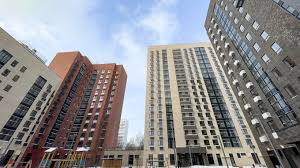
Real estate and infrastructure emerged as the largest investment category. Multi-billion-ruble agreements involving Sberbank, DOM. RF, Alfa-Bank, and regional governments demonstrate that urban development remains central to Russia’s investment strategy.
Housing projects accounted for several of the largest agreements signed at SPIEF. These projects are not merely construction ventures. They are increasingly linked to demographic policy, regional development, and economic modernization.
Energy remains another dominant sector. The RusHydro financing package and ongoing Russia-Saudi energy cooperation illustrate the sector’s continuing strategic importance. However, energy investments are evolving. Increasing attention is being directed toward processing, petrochemicals, power infrastructure, and export-oriented industrial facilities.
The petrochemical sector stands out as one of the fastest-growing investment destinations. The Amur Gas Chemical Complex represents one of the largest industrial projects currently under development in Eurasia. Its annual output of 2.7 million tons of polymers position Russia as a major supplier of higher-value petrochemical products rather than simply raw hydrocarbons.
Pharmaceuticals emerged as another strategic growth sector. The expansion of R-Pharm and discussions during the Pharmaceutical Forum highlighted Russia’s emphasis on medicine sovereignty and domestic production capabilities.
Technology and AI also occupied a prominent place. Discussions revealed projections that Russian AI-related electricity demand could rise from 1.8 GW today to 4.3 GW by 2030, requiring approximately ₽10 trillion (US$139 billion) in infrastructure investment. This creates opportunities across data centers, semiconductors, software, cloud computing, and energy infrastructure.
Agriculture and food security remained important themes, particularly in partnerships with Africa, India, and the Middle East. Fertilizers, grain logistics, and food processing are increasingly integrated into broader geopolitical and economic strategies.
The Financial Architecture of a Multipolar Economy
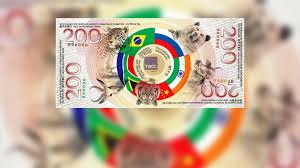
Another major theme visible through SPIEF agreements is the construction of alternative financial infrastructure. Russia and Belarus now conduct 99.1% of their settlements in their own national currencies. Direct transactions with India increasingly rely on local currencies. Discussions on BRICS financial mechanisms, alternative settlement systems, and new trade finance instruments indicate that de-dollarization is moving from theory to practice. The significance of these developments should not be exaggerated. The dollar remains dominant globally. However, SPIEF demonstrated that a parallel architecture is gradually emerging among Russia and its partners. The EAEU-UAE free trade agreement, covering 98% of mutual trade, is particularly important. Combined with expanding BRICS financial cooperation, these arrangements are creating new channels for trade that are less exposed to Western financial restrictions. While the West imposes sanctions and engages in tariffs as a trade battleground, Russia is actively engaging in free trade agreements.
Taken together, these June deals also reveal that SPIEF 2026 was not dominated by a single industry or geographic direction. Rather, it showcased the emergence of a multi-layered economic system linking Russian regions, state corporations, private companies, development institutions, and foreign partners across Eurasia, the Middle East, Africa, and the Global South. The resulting network extends from Chinese manufacturing centers and Indian industrial demand to Saudi capital, Gulf finance, African growth markets and Russia’s own rapidly evolving regional economies. This broader pattern, rather than any individual agreement, represents the most important economic story that emerged from St. Petersburg in 2026.
The agreements signed at SPIEF represent a substantial volume of commitments. Our analysis has focused primarily on the largest and most publicly available deals, but these represent only a fraction of the forum’s overall activity. Beyond the headline agreements, hundreds of additional projects and partnerships are expected to be implemented gradually over the coming years. It is therefore certain that Russia’s trade and investment pivot toward Asia and the Global South will become increasingly visible as these agreements move from the signing stage to practical implementation.
The full economic impact will emerge over time as investments are deployed, infrastructure is built, and commercial partnerships mature. ‘Russia’s Pivot To Asia’ remains an important platform for monitoring and assessing the progress of this strategic reorientation. We will continue to closely track developments, provide regular updates, and evaluate the outcomes, opportunities, and challenges associated with Russia’s evolving economic strategy and its deepening engagement with Asia and the Global South. To make sure you see this, a complimentary subscription to our weekly update can be found here—use that if you want to remain abreast of this intelligence.
This article was written by KP Majumdar, a geostrategic and geo-economics analyst based in South Asia whose work has been widely published by prestigious international news organizations and publications. He may be reached at info@russiaspivottoasia.com