 Русский






Featured June 3, 2026
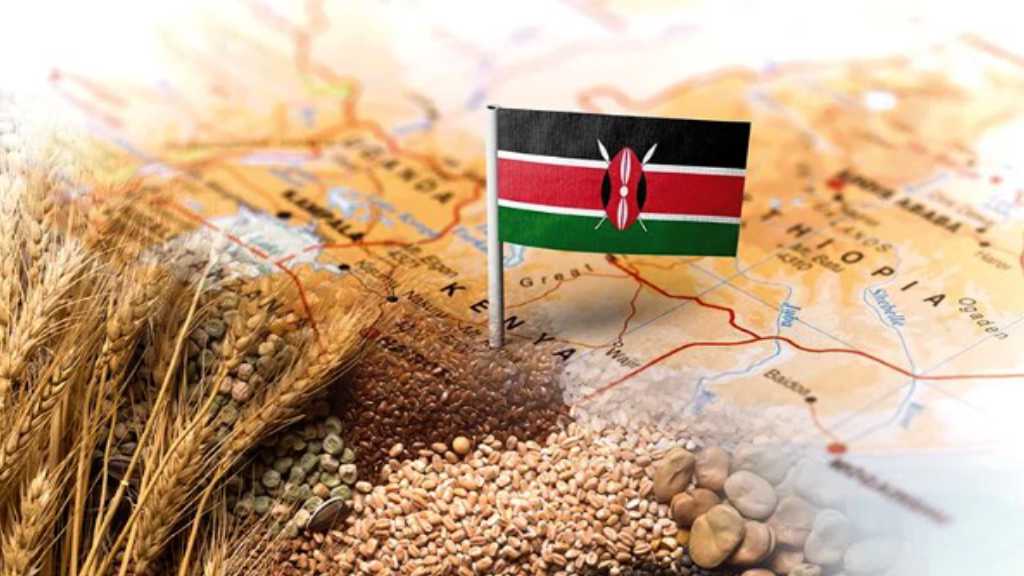
Russian Wheat Exports To Kenya Up 10% In 5M 2026
Russian exports of wheat to Kenya have grown 10% in the first five months of the year, with volumes to Egypt, Sudan and Cameroon also all showing strong increases.

Russia-Africa trade reached US$35 billion in 2025 with Russian exports including grain, dairy, and poultry exports, while African agricultural imports (coffee, fruit) to Russia also surged. Key areas include agricultural goods, military contracts, and nuclear energy, with Russia actively reducing trade barriers and diversifying into the processed foods and high-tech sectors. We cover Russia-Africa trade, investment, and market entry opportunities and provide your guide to navigating the commercial landscape and forging strategic partnerships for growth in Africa’s emerging markets.
Russian exports of wheat to Kenya have grown 10% in the first five months of the year, with volumes to Egypt, Sudan and Cameroon also all showing strong increases.

Bahrain is not a major energy play in the Middle East but is becoming important in grain transhipment. We look at the latest bilateral discussions between President Putin and the King of Bahrain.
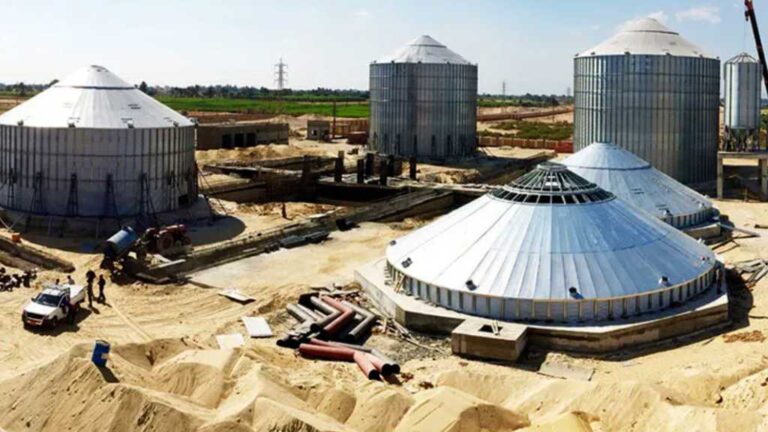
Russia’s grain exports to Egypt have increased by 15% this year to date, while the two countries are also discussing the creation of a grain exchange and developing a food security export hub for countries in Africa and the Middle East.
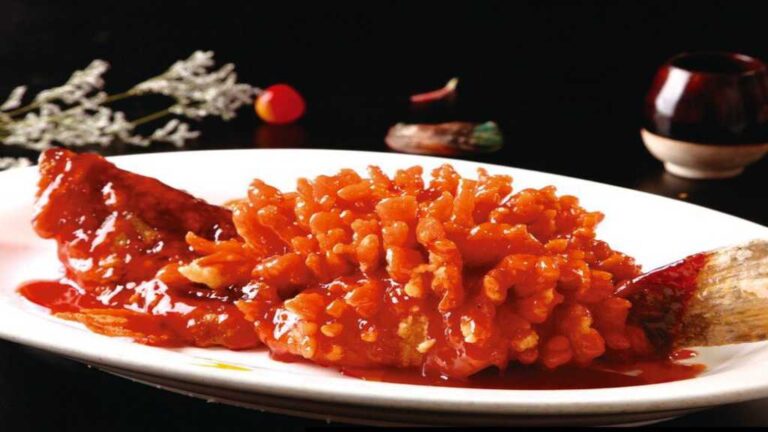
Russia has become China’s largest supplier of fish and seafood and intends to increase exports still more, A target of US$6 billion in exports by 2030 has been declared, a 20% increase per annum in each of the coming four years.
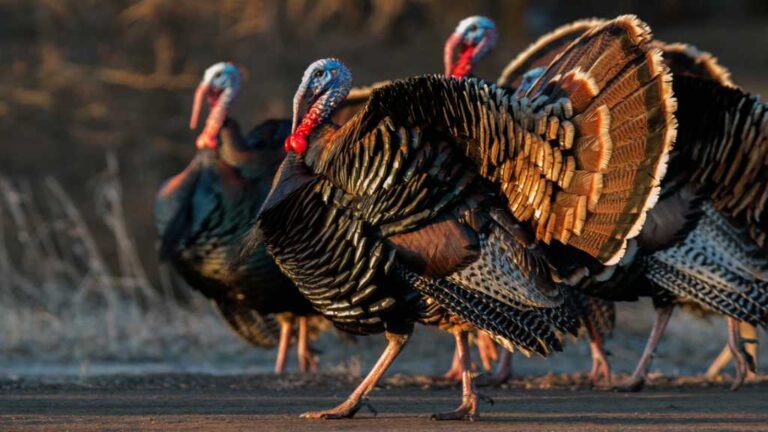
Russian turkey exports to Africa have nearly tripled, with these products supplied to four main consumer markets – Benin, the Democratic Republic of Congo, Gabon and Guinea. Meat consumption in sub-Saharan Africa is three times lower than the global average but improving economic conditions are seeing its dietary use increase.
Subscribe to receive exclusive insights and analysis on Agriculture.
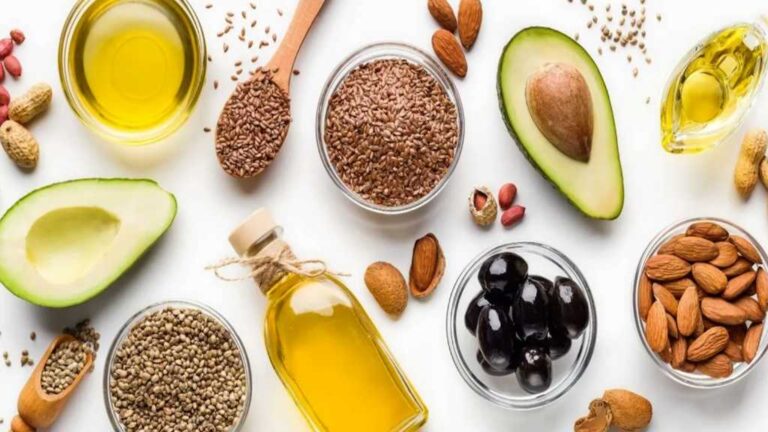
China has become Russia’s largest export market for edible oils and fats, with a 1.6 times increase over 2025 in the year to date. The results showcase the increasing diversification of their mutual imports and exports into larger quantities of non-energy trade.
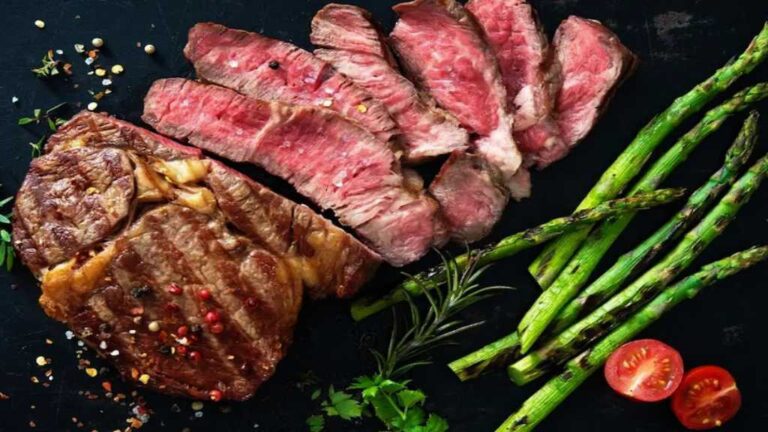
Another four Russian meat producing businesses have received permission to export their products to Singapore, where the average per meat consumption is four times more than the South Asian average.
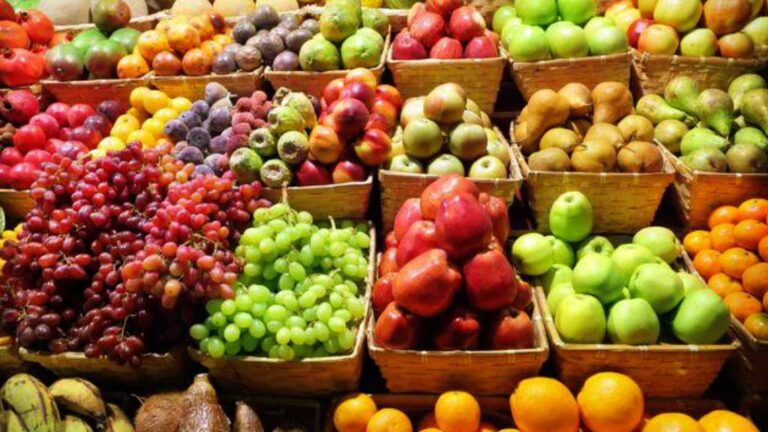
Russian imports of Azerbaijani fruit increased by 17.8% in 2025, while Russian exports of livestock also increased by 1.6 times in complimentary trade flows. Both Azerbaijan and Russia are memebrs of the Commonwealth of Independent States.
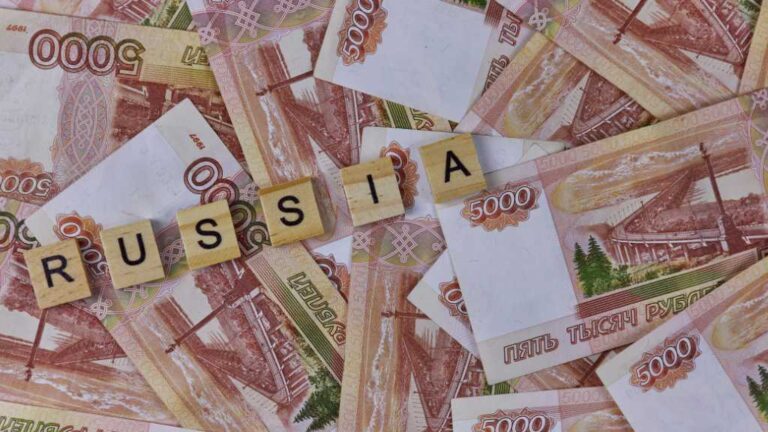
Russian Oligarchs are now investing in primary targeted areas in the Russian economy and supply chains where previous reliance on Western imported products has now been shown to be unwise. We showcase an example within the agricultural support sector in the Bashkortostan Republic, within European Russia.
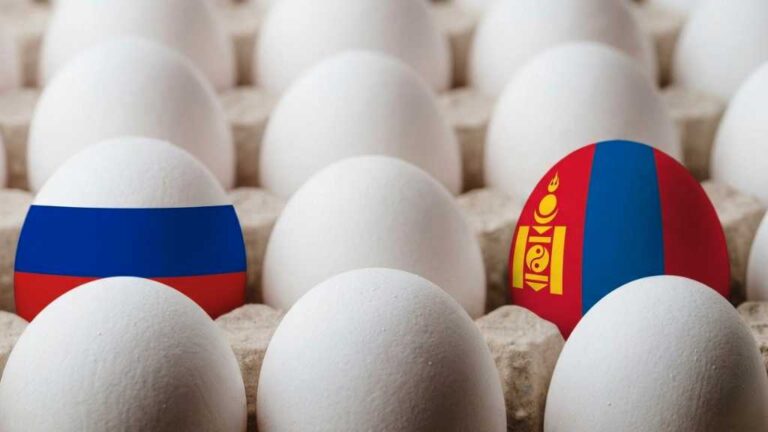
Russia’s exports of chicken eggs have been increasing, with the Mongolian consumer market reacting after their Free Trade Agreement with the EAEU kicking in. Mongolia is now Russia’s largest chicken eggs export market, followed by the United Arab Emirates, Kazakhstan, Abkhazia, and Kyrgyzstan.
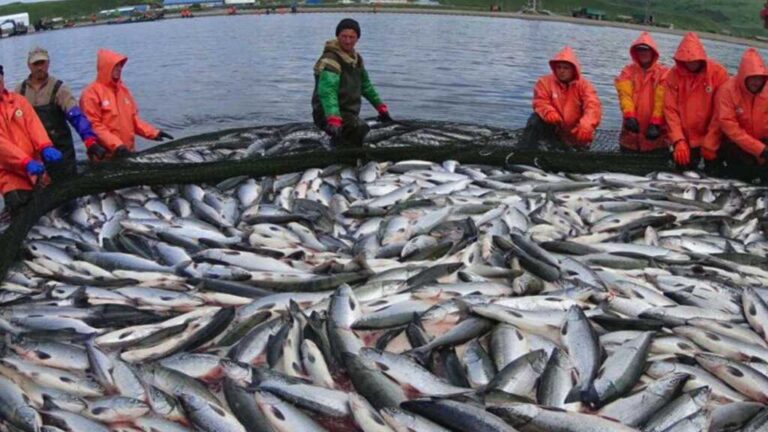
Fresh seafood travelling from the Russian Far East to primary distribution points and onward consumer markets in Moscow, St. Petersburg, Tolyatti, Novosibirsk, and Yekaterinburg are up 60% in the first four months of 2026 compared to last year.