
 Русский








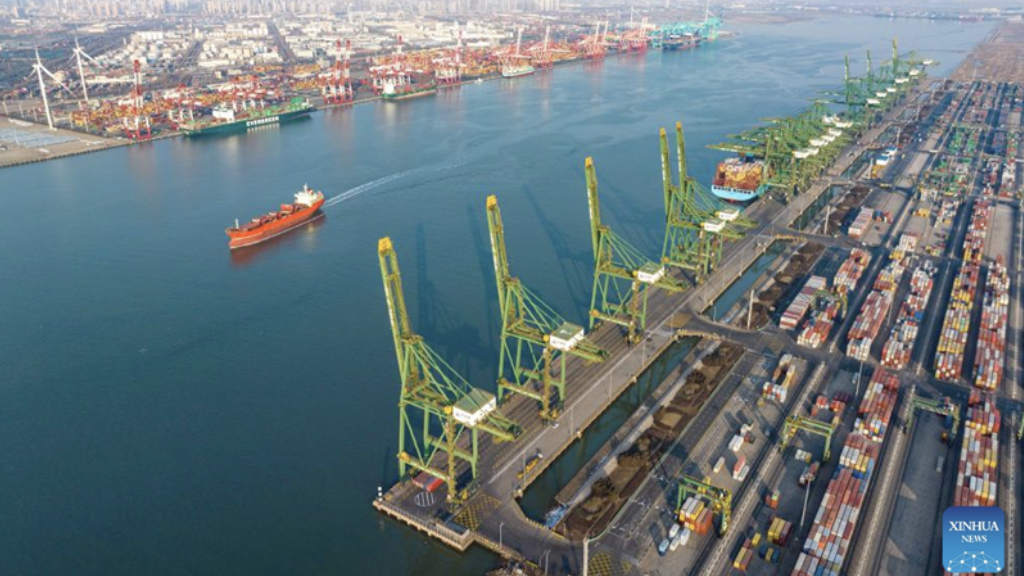

Russia and China’s economic and logistics cooperation has continued to expand during 2026, highlighted by a working meeting in Khabarovsk between representatives of Siberian and Far Eastern regions and the administration of China’s Tianjin Port, organized by the Russian Export Center (REC) during the 11th Russian-Chinese Forum. The discussions focused on Tianjin’s port capacity, import demand for agricultural products, chemicals, metals and fish, and the creation of new routes to increase bilateral cargo turnover, with Novosibirsk, Omsk and Yakutia presenting export opportunities. All these are inland port cities. Novosibirsk is on the Ob River, Omsk on the Irtysh, and Yakutia’s main port of Yakutsk is sited on the main Lena River with access to the Arctic Ocean.
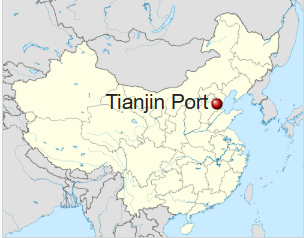
Tianjin borders Hebei Province and Beijing Municipality, bounded to the east by the Bohai Gulf portion of the Yellow Sea. Part of the Bohai Economic Rim, it is the largest coastal city in Northern China.
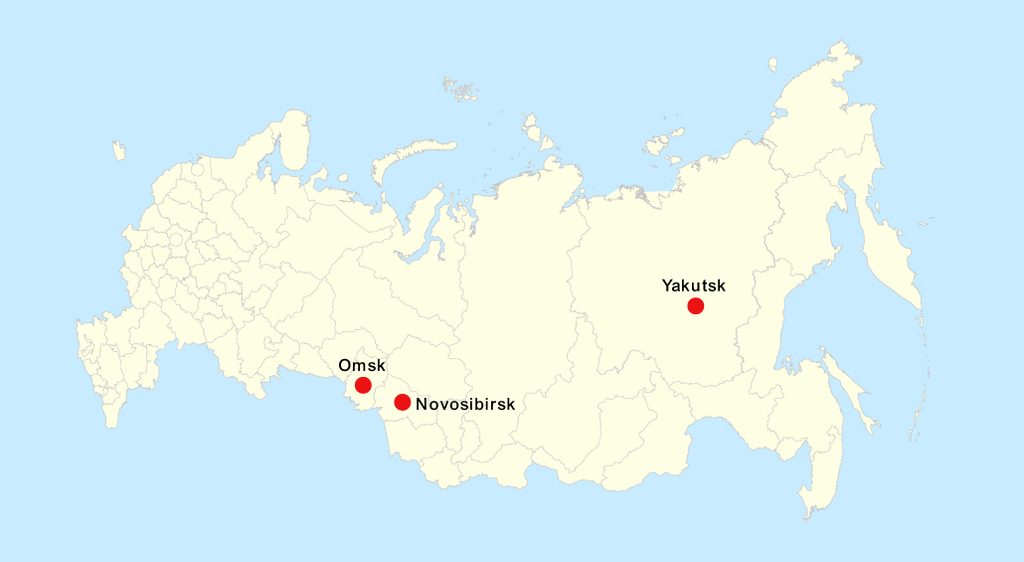
Novosibirsk highlighted food and machinery exports and reported a record 20-day door-to-door logistics route to Tianjin, while Omsk emphasized its agro-industrial and chemical potential and annual grain production of at least 4 million tonnes. Yakutia presented coal from the Elga deposit as a major supply opportunity and promoted deeper industrial cooperation, joint ventures and high-value investment projects, alongside its strengths in diamonds, gold, coal, IT services and tourism.
The REC noted that Tianjin is Northern China’s largest port and a major gateway to Beijing, serving more than 500 routes to 180 countries. Both parties agreed to maintain cooperation through the REC’s China representative and explore reverse-loading opportunities.
Of note is not just the port capacity and import-export-transit issues. It is the fundamental market research both sides are taking to ascertain exactly what demand for products exists between these locations.
Russia-China 2026 Freight Trends: Road, Rail, Maritime & Aviation

Meanwhile, Russia-China road freight increased 35% in the first five months of 2026, with both countries agreeing to exchange an additional 65,000 transport permits each in 2026 and provisionally 138,850 each in 2027.
Rail freight rose 6.3% in 2025 to 186.8 million tonnes, while a May 2026 agreement on a second 1,435-mm track on the Zabaikalsk-Manzhouli section is expected to add up to 11 million tonnes of capacity by 2030.
Maritime trade has also accelerated, with sea freight between Russian and Chinese ports reaching 109.5 million tonnes in the first half of 2026, up 19.2% year-on-year, following 196.75 million tonnes in 2025, while cooperation on port-control procedures remained strong. Separately, China’s New New Shipping Line (NNSL) launched a return voyage from Murmansk along the Northern Sea Route carrying 26,400 tonnes of potash fertilizers to Southeast Asia, demonstrating the emergence of an alternative Arctic export corridor and supporting wider plans for Chinese investment, specialized terminals and expanded China-Russia-Southeast Asia logistics connectivity.
Russian and Chinese airlines are operating 309 flights per week during the 2026 summer season, up from 230 flights a year earlier. Russian airlines carried more than 1.3 million passengers in the first seven months of 2026, marking a 50% increase year-on-year.