
 Русский




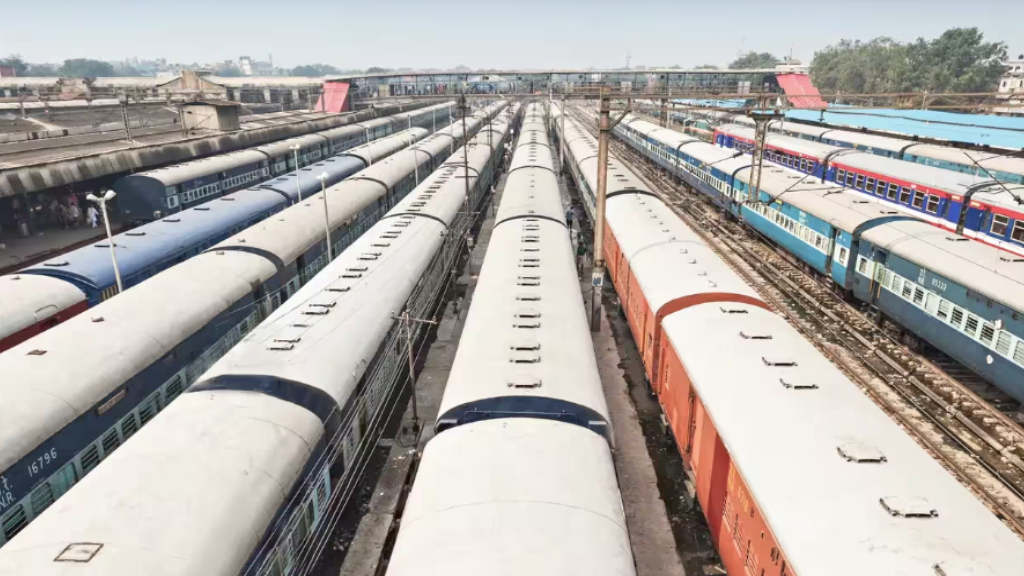

Russia has floated the idea of building a rail route to India as a hedge against the risks associated with the Strait of Hormuz, with Deputy Prime Minister Marat Khusnullin saying that Russia needs to build a rail link to the Indian Ocean to reduce risks from maritime disruptions in the chokepoint. He said any options providing access to India would be acceptable.
Khusnullin said that “a rail link to the Indian Ocean should also be explored. Risks related to the Bosphorus and the Strait of Hormuz might require alternative routes and could be explored through Turkmenistan, Iran, Afghanistan, and Pakistan. Any options providing access to India are acceptable.”
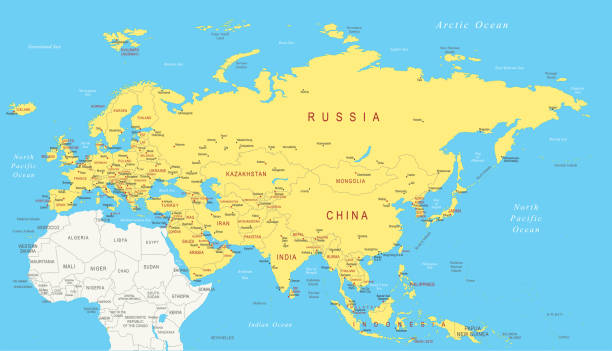
The Bosphorus, the narrow strait that connects the Black Sea to the Sea of Marmara, is controlled by Turkiye. The Russia-Ukraine conflict has led to attacks on commercial shipping in the Black Sea, disrupting trade. The US-Israeli attack on Iran has also largely blocked the strategic Strait of Hormuz through which a fifth of the world’s energy previously passed. Iran has retaliated, targeting Israel and US military facilities in Bahrain, Jordan, Iraq, Qatar, Kuwait, the UAE, and Saudi Arabia. The situation remains unresolved and could escalate into a full-scale regional war. It has cut Europe and many Asian countries, including India, off from supplies of Middle Eastern-sourced oil and gas.
India has become the second-largest importer of Russian oil, behind China, as it seeks to secure energy supplies amid the disruptions in the region. India’s crude imports from Russia surged to a record high last month, accounting for 55% of its total crude oil purchases. Bilateral trade has also surged, with both countries setting a US$100 billion goal by 2030.
New Delhi has also shown interest in the Northern Sea Route, as it explores alternative trade and supply chain routes.
The concept of direct rail between Russia and India is not new and has been carried out previously. In 2024, Russia sent two train loads of coal to India via the INSTC route transiting Iran. However, that route is currently unavailable due to US attacks on Iran’s southern ports, meaning an alternative route could head east across Iran and into Pakistan and then to India.
Another route could be via Uzbekistan and the Trans-Afghan railway, which is intended to reach Pakistan’s southern ports and would also avoid southern Iran. These solutions will require much diplomacy on Moscow’s part as concerns the relations between Pakistan and India, which have historically been problematic. Beijing is also likely to endorse the development of a Russian rail route to India, as this could additionally connect with existing rail infrastructure it has built in Pakistan as part of the China-Pakistan Economic Corridor (CPEC). With Moscow and Beijing both likely to push for additional Eurasian rail development, the onus will be on Pakistan and India to evolve into a more cooperative partnership or also risk losing vital energy supply chains should the situation in the Middle East and Black Sea further deteriorate.