
BRICS News & Analysis

BRICS

Intra-BRICS trade is booming, driven by the expanded BRICS+ bloc (now including energy-rich nations like Iran, UAE, Saudi Arabia) and a strong push for de-dollarization, boosting local currency settlements and new payment systems like CIPS. Key themes include diversifying supply chains, enhancing South-South cooperation, developing local payment systems (NDB, CIPS), and fostering tech/industrial integration to reduce reliance on Western markets, with total intra-bloc trade already exceeding US$1 trillion and growing significantly. Navigate the BRICS business framework. Find news on economic cooperation, the New Development Bank, and joint investment projects. Essential for businesses leveraging the powerful BRICS economic bloc.

Featured June 23, 2026

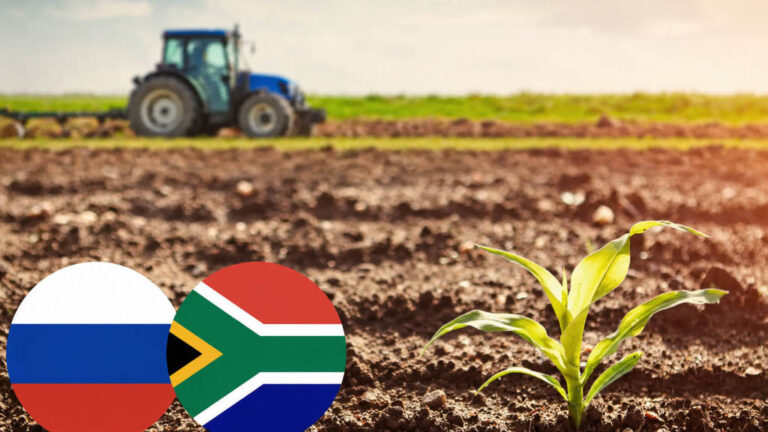
BRICS Countries Continue To Work On A Grain Exchange

The BRICS countries are continuing their plans to establish a grain exchange, to divert agricultural trade away from Western platforms. The BRICS both produce and consume about 44% of the world’s total markets for corn, wheat and rice, with members Brazil, China, India, Indonesia and Russia amongst the world’s largest producers and consumers.

Read full article →

Stay Ahead of Global Developments

Subscribe to receive exclusive insights and analysis on BRICS.

May 11, 2026

Russia-Malaysia Bilateral Relations Update: May 2026 

President Vladimir Putin has met with the Supreme Ruler of Malaysia, Sultan Ibrahim, who has been visiting Moscow. Malaysia is a BRICS partner state and has a US$4 billion+ trade turnover with Russia, with volumes also showing sustainable growth. Ibrahim invited Putin to a formal State visit to Malaysia during 2027.

Read more →
April 29, 2026

Belarus To Join BRICS New Development Bank

Belarus, which was accepted as a BRICS Partner nation in 2024, is making plans to join the BRICS New Development Bank. Doing so will open up alternative opportunities to raise capital for infrastructure and related developments as an alternative to capital markets in ‘unfriendly’ nations and to be able to do so without using the US dollar or Euro.

Read more →