
Iraq Eyes BRICS Membership
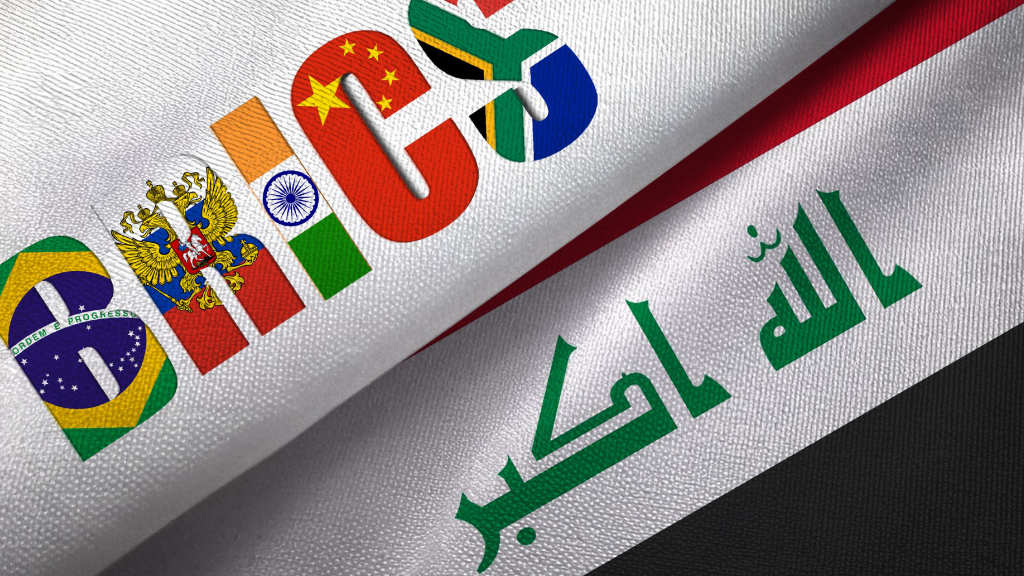
The Iraq Ambassador to Russia, Dr. Abdul-Karim Hashim Mostafa has said it would be a ‘good idea’ for Iraq to join the BRICS, depending on the terms. Such a move would almost certainly face US opposition.
Russia’s trade and investment into the Middle East is rapidly developing, with relations both through the Gulf Cooperation Council and the Arab League all helping boost bilateral trade by 25% during 2025. Partially driven by the developments along the INSTC, and new regional free trade agreements, we provide analysis of the growing Russia-Middle East economic partnership. Discover trade statistics, investment flows from the GCC, and business opportunities for companies in both regions.
The Iraq Ambassador to Russia, Dr. Abdul-Karim Hashim Mostafa has said it would be a ‘good idea’ for Iraq to join the BRICS, depending on the terms. Such a move would almost certainly face US opposition.
Russia needs to better secure its arbitration reach by both developing Bilateral Investment Treaties with Global South nations, and / or establishing a BRICS arbitration centre. We can expect a flurry of BIT agreements being signed in the coming months.
The Eurasian Development Bank, in which Russia is a major investor, is set to approve 11 new countries as members, mainly from the Middle East. This will help facilitate Middle East sovereign investments into Central Asia.
Is multiculturalism dead – or just moving away from the West to the Global South? The joint Russia-India film ‘Persimmon of my Love’ has been playing to rave reviews on a national release in Russia, while co-BRICS film productions are also underway between Russia and Brazil, China, Egypt, Iran and Indonesia amongst others.
Russia is bringing in new cryptocurrency laws from July 1 which have the potential to revolutionise Eurasian and global trade finance and especially with China, India, ASEAN and the Middle East. We examine the laws in detail and analyse what they mean in the next generation of international financial flows.
Subscribe to receive exclusive insights and analysis on Middle East.
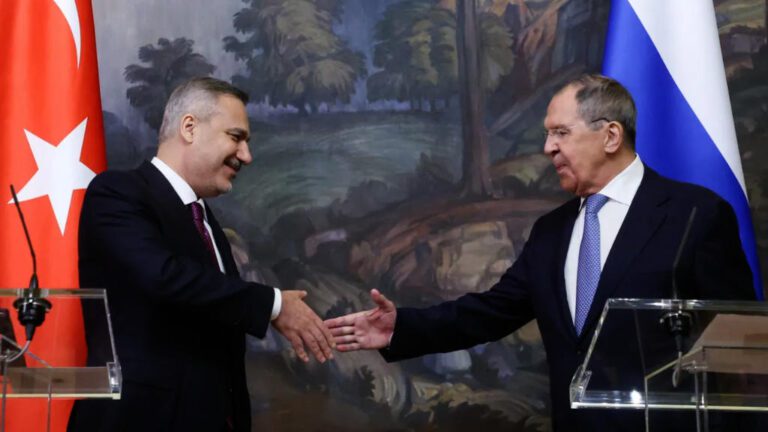
The Russian and Turkish Foreign MInisters have been holding extensive talks in Moscow. We deep dive what was discussed, and the evolution of bilateral relations into a strategic alliance between the Caucasus and the Middle East with significant implications for Eurasia. This is essential reading for anyone involved in the Black Sea and regional trade and investment.
While the United States and Iran apparently reaching a peace agreement, the war has nevertheless permanently changed global supply chains. We look at the reasons behind the conflict, the immediate aftermath, and the regional development implications for Russia, China and the Eurasian continent as a whole.
Pakistan’s influence and strategic potential as a gateway to Southern Eurasia and South Asia for Russia is rapidly developing. Bilateral trade tripled last year, while major infrastructure developments are poised to take place in transport and energy. We provide a detailed overview of an often neglected area of Russia’s reach deep into Asia.
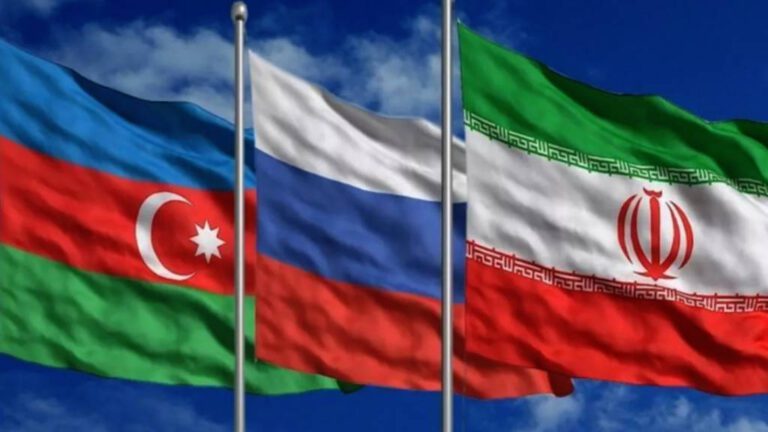
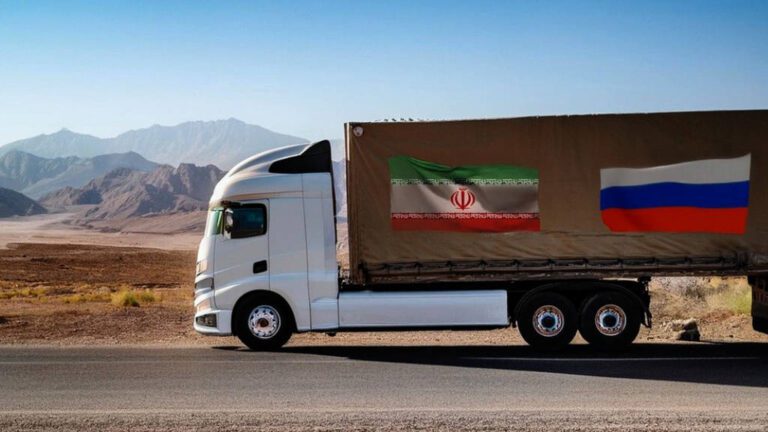
Russia, Azerbaijan and Iran have agreed on digitalising their road freight transport connectivity, in moves that make cross-border transits more efficient and are likely to lead to driverless drone trucks being utilised for trilateral road freight journeys in the near future.
Despite and probably due to the war in southern Iran, its Caspian Sea connectivity through the INSTC network has boomed with increases of 68% in volumes during the first four months of 2026. A new Caspian sea vessel has been deployed while both Russian and Iranian exports along the route have significantly expanded.
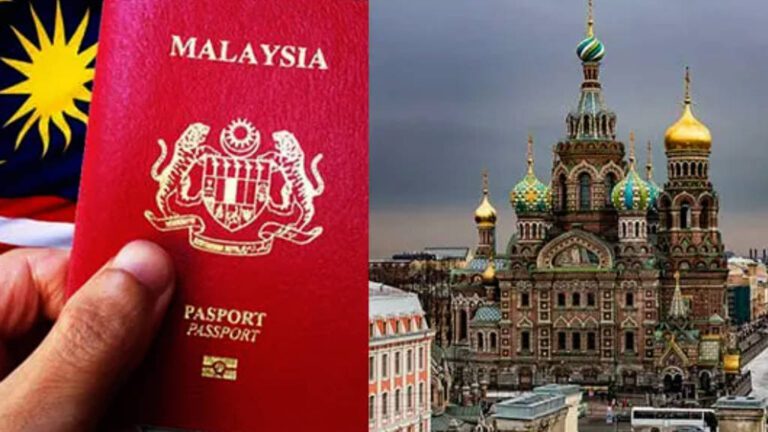
Russia is shortly to agree reciprocal visa-free travel with nationals of Indonesia, Malaysia and Kuwait in a major boost to the tourism sectors to all these countries and Russian nationals.