
 Русский





Russia's Pivot To Asia: Issue 85
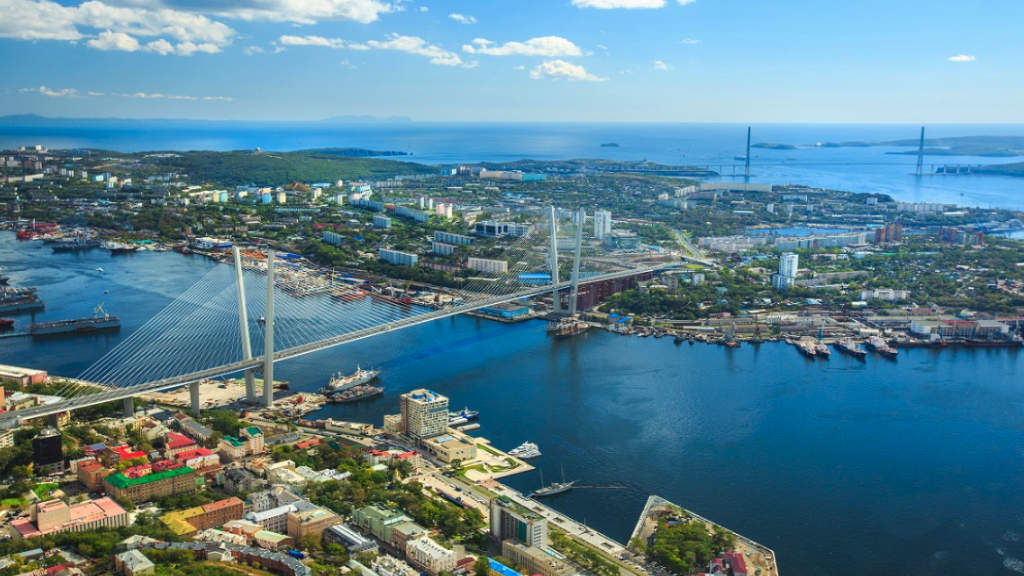
The situation in the Middle East and the bottleneck at the Strait of Hormuz is having far longer term implications. Countries have realised that alternative routes are urgently now required – not as a replacement – but as a back-up. This means that routes are being designed and invested in throughout Eurasia, with Russia as a key node in this evolution. This phenomena reaches from Vladivostok, where Chinese exports to Russia – including Asian sourced transit goods - have skyrocketed in Q1, to Russia opening new maritime routes to the Middle East that fully bypass the Strait of Hormuz via Jeddah, on the Red Sea. Interestingly, this move is spurring big ticket investments – a US$2 billion urea production plant is being built by Indian and Russian investors near the Black Sea, while Hong Kong is emerging as a capital-raising hub for China Belt & Road Initiative related projects such as Kazakhstan Railways wanting to raise billions in the territory. This indicates that Middle East supply chains have been recognised as permanently vulnerable by corporate investors throughout the Eurasian region. Elsewhere there are new non-banking, financial transaction systems between Russia and Egypt, a trend we feel will grow, a substantial report on Russia’s trade and development relations with ASEAN, more Chinese auto-making steps to ensure European manufacturers never return to selling cars in Russia, coupled with disturbing news in Africa’s Sahel, where a new military front between Russia and Europe is developing. The main point however is that Central Asia – and Russia – are rapidly increasing their geostrategic moves to South Asia as interconnectivity brings these two massive regions increasingly closer.